A Smooth Ride for the BJP in 2024?

AUTHORS: Ms. Shatarupa Dey is available @shatarupadey95 and Dr. Prashant Kumar Choudhary is available @edition_indian

The BJP’s spectacular victory in four of the five states in the general election is a testament to the public’s confidence in the party because it defied the anti-incumbency in all the four winning states. Election results suggest that issues such as inflation (rising oil prices), medical mismanagement during the corona spike, rising unemployment, and peasant protests did not do much harm to the party. Party’s electoral victory can be attributed to its well-crafted electoral strategy which it has mastered over the years with the support of its parental organization RSS (the RashtriyaSwayamsewak Sangh) which assists the party in terms of providing thousands of cadres to canvass for the party. Along with it, the party benefitted immensely from Modi’s strong popularity. The prominent strategies applied by the party to maintain its electoral dominance in most elections seem to be in favor of the party.

Right-wing Populism

The party refined its ideology to meet the needs and desires of the country’s massive poor population. This means it did not religiously adhere to an open market economy under which the state refrains from implementing welfare programs for those who are left out and could not sustain themselves under the capitalistic system. The party realized the need to alter its electoral stance by implementing welfare programs to attract the poor. It did so through programs such as Kisan Samman NidhiUjjwala SchemePM AwasYojna, and by providing free rations to millions of poor. On the one hand, the central government followed the norms and traditions of disinvestment and privatization, while on the other, the electoral compulsions compelled the party to resort to populist politics. 

The ideological divide facilitated the party in both gaining the trust of the capitalist class as well as the votes of millions of poor people. In the post-COVID scenario, the Indian government invested heavily in providing free rations and other welfare benefits, which ultimately assisted millions of Indians in fending off the pandemic’s attack. Therefore it can be deduced that the beneficiaries of these programs/policies voted for the party in recent assembly elections, indicating the popularity of right-wing populism. 

Majority Appeasement 

Indians are no strangers to appeasement politics. We all know how the Congress and other self-proclaimed secular parties fuelled minority appeasement by offering them policy preferences, whether it was Rajiv Gandhi’s Shah Bano moment or Mulayam Singh Yadav’s Muslim appeasement. The 2014 elections, which put BJP’s Narendra Modi on the throne as Prime Minister, were supposed to put an end to this trend. However, eight years into the Modi administration, not only has the practice changed, but the positions have also shifted.

In 2014, the BJP ratcheted up its anti-minorities rhetoric. While in power, the party enacted legislation like anti-conversion laws, beef bans, renaming places, CAA, and other measures that helped the party project a pro-majority image. The implementation of these laws bolstered the party’s image as one capable of reclaiming the Hindus’ lost pride and respect, which had been tarnished during Mughal and British rule. The party also created the narrative that the majority had been treated unfairly throughout these years and had been victims in their own country, even though they were the majority.

The party’s election success was aided by its constructed pro-majority image. i.e. Hindus allied with the party and voted for it in both general and local elections.

Free covid vaccine

The Saffron party had been fast to launch its political campaign nearly as soon as the second wave’s impact began to fade. Alongside this, a “Thank You Modi Ji” campaign began centering around a “free vaccination drive”. The Kendriya Vidyalaya Sangathan requested its schools to put up “Thank You PM Modi” posters and hoardings on their premises for free vaccines, just days after controversially urging pupils to tweet “Thank You Modi Sir” for canceling CBSE board examinations. The University Grants Commission (UGC), the higher education nodal organization, also ordered all government-funded colleges and universities to display posters that read, “Vaccine for All.” Delhi University was one of the first universities to display such posters on campus, on its website, and social media. 

The public relations campaign, which is perhaps unprecedented given how the same template is being used to “thank” the prime minister by the Union and BJP-led state governments and institutions funded by them, is aimed at countering the opposition’s criticisms, which have had a visible impact. The saffron party has put Modi back in the driver’s seat to perform the heavy lifting. 

Manipulated Media

The media plays an important role in the dissemination of information, the creation of attitudes and ideas, and the motivation of people’s behavior, including voting decisions. Print media, which includes newspapers and magazines, broadcast media, such as television and radio, and new media, which provides for Internet news portals and websites, are the three categories of mass media utilized for visual political communication. All of these contribute to the creation of critical political messages that can inform, educate, and persuade the target audience. In both print and new media, photographs and still images play an essential role.

Photos, when utilized strategically, can not only enhance a message but also compel people to receive it, because photographs attract more attention than plain text, regardless of how convincing the argument is. The strategic use of images in political campaigns may play a key role in increasing the visibility of the leader and generating public interest in the leader.

All of this contributes to increased audience retention, which leads to increased party participation. Greater media visibility’ is an important key theme. It can be deduced that the BJP was pushing for a higher number of images for both the party leaders and the entire party. Narendra Modi received a lot of photo coverage, and he received more than 20% of the newspaper’s strategic placement—that is, on the front page—to ensure maximum exposure. The following diagram depicts the model of enhanced visibility at work in the BJP’s communication in the newspapers during the 2014 election campaign. The party continued to rely heavily on media (manipulated) for creating a positive and favorable image during these assembly elections and seems to pursue the same in near future. 

Source: FB Khan’s Model of Higher Visibility in Political Communication
 

Case Studies of UP, UK, Goa, and Manipur

Graphs show that the party was able to maintain its substantial presence in most of the states where the election took place. It is evident that in three states the party increased its vote percentage compared to previous assembly elections.

Source: Election Commission of India, GoI

However, the party witnessed a slight decline in the number of seats won in three states but still was able to cross the 2/3rd majority on its own. The case of Punjab is not a worrying sign for the party as it had been a major political party in the state and always contested earlier elections in coalition with SAD.

Conclusion

Recently concluded state assembly elections bolstered the view that the BJP is the most dominating force in India’s electoral democracy. The party not only managed to win the majority in four states but was able to successfully counter the allegations and negative perception created around the party for the mismanagement of the pandemic and economic crisis thereafter.  It is also true that the party benefitted from unorganized and dejected opposition political parties and seems to continue having an edge over them. If this is the case, the party looks to win the votes in the upcoming assembly elections and the general election in 2024. The feel-good effect that the party was able to create with the help of the media appears to last for the upcoming years. Furthermore, with powerful election machinery in place, such as money, cadres, power, and manipulated media at the disposal of the BJP, it appears to be well-positioned to form the government in the upcoming general election.  Issues such as the Hijab Ban, the construction of the Ram temple in Ayodhya, and anti-Pakistan rhetoric would further help the party to unify the voters and these emotive issues would benefit the party electorally.

*“The views expressed in the article are author’s personal and are not endorsed by the Global Policy Consortium (GPC) or assumed by their members”
Understanding the Rise of Paradiplomcy in India

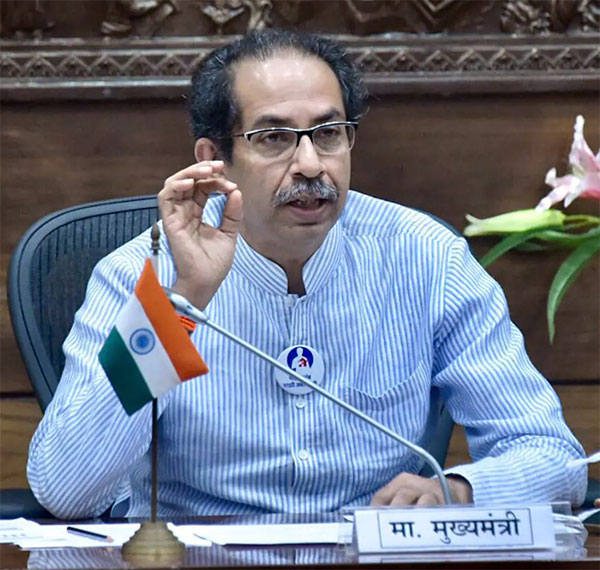
Image Courtesy: Dajjiworld

AUTHOR: TRIDIVESH SINGH MAINI

The role of federating units – referred to as state governments, provinces, and landers (in Germany)  in Foreign Policy – referred to as ‘paradiplomacy’ (introduced by Panayotis Soldatos) and ‘constituent diplomacy’ (John Kincaid) — began to get attention globally in the 1980s, while in India this phenomena has begun to get greater attention in the past two decades.

One of the important factors responsible for states becoming important stakeholders in external outreach was the economic reforms initiated in 1991. Maharashtra was amongst the first states in reaching out to foreign investors, in the aftermath of these reforms. Over the past two decades, the western state has consistently been a front runner as far as attracting Foreign Direct Investment (FDI) is concerned. According to the state’s economic survey report, FDI inflow into the state between April 2000 to September 2021 was Rs 9,59,746 crore. According to the survey, this accounted for a whopping 28 percent of the total FDI inflow of the country.

Other events which have given a fillip to para-diplomacy

Apart from the economic reforms, two events which gave para-diplomacy in India a strong fillip were successive coalition governments in the late 1990s, the growing importance of regional parties, and the Information Technology (IT)boom in the late 1990s in which South Indian states were at the forefront.

In recent years, the central government has repeatedly referred to the need for a competitive spirit – or ‘competitive federalism’– with regard to drawing FDI. It would be pertinent to point out, that the first wave of this competitive federalism can be traced back to the late 1990’s and early 2000’s when Karnataka and then Andhra Pradesh vied with each other for drawing investment in the IT Sector. Hyderabad, now the capital of Telangana, then the capital of undivided Andhra Pradesh along with Bengaluru (then Bangalore), the capital of Karnataka were both successful in emerging as important IT hubs recognized globally. The latter is often referred to as India’s Silicon Valley.

Rudolph and Rudolph in the article ‘Iconisation of Chandrababu Naidu: Sharing sovereignty in India’s federal market economy’ published by the Economic and Political Weekly (January 2001) discussed how then Chief Ministers of Andhra Pradesh and Karnataka respectively — Chandrababu Naidu and SM Krishna left no stone unturned in attracting big IT companies to invest in Hyderabad and Bengaluru.

Apart from policy changes in recent decades, it is an important tool for para-diplomacy in the diaspora. Diaspora from South Indian states has been an active stakeholder in hard-selling states like Tamil Nadu, Andhra Pradesh, etc in US and South-East Asia. The heads of top IT companies – Microsoft (Satya Nadella), Adobe (Shantanu Narayen), hail from Hyderabad while the CEO of Alphabet, Sunder Pichai received his schooling in Hyderabad.

Apart from sending delegations overseas, states have also begun to organize Global Investors Summits where they interact with potential investors from different parts of the world. It is not just states in Southern India and Western India that have emerged as important growth engines for the country but they have also begun to organize Global Investors Summits, alongside numerous others. In a post-pandemic world where international travels are uncertain, this is likely to emerge as an important means of reaching out to potential investors.

A most recent example of a state organizing a Global Investors Summit is West Bengal which organized the Bengal Global Summit 2022. While during earlier Summits, West Bengal has been able to attract investors from US and China, in the 2022 Summit there were senior representatives from Bangladesh and Bhutan. Bangladesh was represented by its Commerce Minister, Tipu Munshi while Bhutan was represented by its Economic Affairs Minister, Loknath Sharma.

While speaking at the summit, West Bengal Chief Minister Mamata Banerjee referred to her state’s important location not just in the context of India’s North East, but also vis-à-vis neighboring countries. Said, Banerjee:

“Bengal is the gateway to not only the Northeast of the country but also neighboring countries like Bangladesh, Nepal, and Bhutan,”

Representatives from both Bhutan and Bangladesh also referred to the geographical proximity of their respective countries to Bengal and how they could benefit from West Bengal’s economic progress

Focus Countries

Here it is also important to bear in mind that India’s ties with countries influence the choice of states. In the 1990s, a number of states focused on strengthening business linkages with the US. These efforts bore fruit especially if one were to look at the Southern Indian states and even the National Capital Region (NCR) region with Gurgaon (Haryana) being able to attract a large number of US-based companies.

 When attempts were made by India to improve ties with China, delegations from a number of states visited China (in 2016, Chief Ministers from two states Andhra Pradesh and Madhya Pradesh were in China at the same time). In 2015, a dialogue – referred to as the provincial leaders’ forum — to promote exchanges between Indian states and Chinese provinces 2015. While as a result of bilateral tensions, sub-national exchanges between India and China may have reduced, in the current geopolitical situation, the Act East Policy (India’s policy vis-à-vis ASEAN, Japan, and Australia) and Look West policy (which is aimed at strengthening ties with the Middle East and Iran)  are two important opportunities for Indian states.

If one were to look at the Act East Policy, a number of states have been cultivating linkages not just with Singapore and Malaysia but also with Thailand. While for southern states, historical linkages and the diaspora are important connections with South East Asia, North-Eastern states have also been brought on board given their geographical location and the fact that they are India’s gateway to South East Asia (the India-Myanmar-Thailand trilateral highway aims to connect Manipur’s Moreh with Mae Sot in Thailand via Myanmar). States like Manipur and Assam have become important stakeholders in the Act East Policy.

In the post covid19 world, there is scope for India’s state governments to reach out not just to the countries above but also to CMLV countries (especially Vietnam). Apart from economic linkages, there should be an attempt to strengthen people-to-people linkages with these countries. A large number of Indian tourists already visit Singapore, Thailand, and Malaysia due to air connectivity with these countries. It is essential to have flights from tier two cities to countries like Vietnam, Cambodia, and Myanmar as this will give a boost to both people to people linkages as well as tourism. While flights with Vietnam have increased, it is important to increase the frequency and to ensure that tier two cities in India also have more direct flights to Vietnam (currently, there are direct flights from New Delhi, Mumbai, Kolkata, and Bodhgaya). It is also important to increase air connectivity with Cambodia, currently, there are no direct flights even from Delhi and Mumbai. Greater air connectivity will not only give a boost to people-to-people links and tourism but also links between India and Cambodia.

If one were to look at the Gulf, Kerala with its large diaspora has always been an important stakeholder in ties between India and the Gulf. Remittances from Kerala account for a significant percentage of the total remittances that India receives. Post the covid19 pandemic, Kerala has been attempting to reduce its dependence upon remittances from the Gulf, and also ensure that expatriates returning from the Middle East can be assisted in starting new business ventures. In December 2021, Kerala CM Pinari Vijayan visited UAE and inaugurated the Kerala Pavilion at the Dubai Expo 2020. While commenting on the relationship between Kerala and UAE, Kerala Chief Minister said:

‘Kerala-UAE relations are not something formal. It is a very close heart-to-heart relationship. All top UAE officials whom I met here told me that Kerala and Keralites occupy a special place in their hearts. I did not hear this touching comment from one official but from all’

In March 2022, Tamil Nadu Chief Minister MK Stalin visited UAE. Stalin inaugurated the Tamil Nadu pavilion at the Dubai expo and also met with senior members of the Emirati government as well as heads of business houses. Stalin’s pitch was towards drawing FDI to Tamil Nadu. The Tamil Nadu CM said that MOUs worth Rs 6,100 crores had been signed during his visit to the UAE.

The visit of Stalin to the UAE came at an interesting time since a few days earlier India and UAE had signed an FTA agreement to push the level of bilateral trade up to $ 100 Billion from the current level of $ 60 Billion. State governments including those of Tamil Nadu will have an important role to play in pushing India’s trade with UAE.

Apart from the large Indian diaspora in the UAE, tourism is an important binding factor between both countries, and UAE is an attractive tourist destination for tourists from a number of Indian states. One of the reasons for this is the large number of direct flights between Dubai and Abu Dhabi, as well as the general location of UAE. There has also been an increase in recent years in the number of Emirati nationals visiting India.

While state participation has increased in foreign policy it is important to further enhance coordination between centers and states in order to make para-diplomacy more fruitful so that it can economically benefit individual states as well as India as a whole. It is also important for states to have a clear road map for exploring synergies with other countries. Rather than random outreach, it should be driven either by potential synergies, geographical location, and the diaspora in these countries. Investor Summits are one possible way of ensuring that external outreach delivers the desired results, but this needs to be done with a clear plan as mentioned earlier. It is also important that MOUs signed during these summits actually result in tangible outcomes (in the past there have been numerous instances where MOUs have been signed but projects have not taken off on the ground).

Given the changing global economic architecture as well as the geopolitical situation, there is immense potential for building greater economic and people-to-people linkages with countries on which India has not focused in the past. This includes certain countries in South East Asia, such as Vietnam and Cambodia, as well as UAE. Both central and state governments will have an important role in the same. It is important that para-diplomacy is not restricted just to the economic sphere and that there is a thrust on enhancing people-to-people ties and educational linkages. One area that a number of states can focus on is medical tourism. While a number of states with reasonable medical facilities already attract nationals from India’s immediate neighbors, Afghanistan, Iran, and Central Asia with better air connectivity, this sector could witness a further boost.

In a post-pandemic world, the nature of para-diplomacy is likely to be markedly different from that of the pre-pandemic world and both the center and states need to realize this. While one of the major obstacles in the conduct of para-diplomacy is likely to be the restrictions on international travel as well as the unpredictable nature of the pandemic, para-diplomacy can be carried out effectively through the effective use of technology. Apart from this, many countries are trying to come up with new economic models and this creates new possibilities in the realm of para diplomacy.

*“The views expressed in the article are author’s personal and are not endorsed by the Global Policy Consortium (GPC) or assumed by their members”

US Sanctions on Iran: Longest Sanctions in the History

Image Courtesy: The BBC

AUTHOR: SAMAYALA SAMI

As the richest and most powerful country in the world, the USA through its unilateral trade partners and influence on the UN, has imposed sanctions on countries that promote terrorism and violate human rights. Balkans, Cuba, North Korea, Hong Kong, Belarus, Mali, Lebanon, Venezuela, Iran, Yemen, and Zimbabwe are a few countries/regions subjected to US Sanctions as of 2021.

Sanctions are not a recent concept. Since the 5th century BC, kingdoms and regions have imposed sanctions. Athens imposed sanctions known as Megarian Decrees during the Peloponnesian War, prohibiting Megarians from visiting the harbor and marketplace. Some sanctions are aimed at humanitarian missions, while others are part of a country’s foreign policy. However, they all operate in the form of trade barriers, travel prohibitions, and other restrictions. The efficiency of sanctions is disputed, and only a handful of them succeed in achieving their goals.

US Iran relations pre-sanctions: From ally to the axis of evil

Before the Iranian revolution in 1979, the United States was Iran’s major trade partner. Following Germany, which had a 19% share of Iran’s imports, the US  had a 16 percent share in the imports. It was also the second-largest exporter to Iran before the 1979 revolution. In 1953, the British and American intelligence helped overthrow Iran’s then Prime Minister Mohammed Mossadeq. They restored a monarchy led by Shah Mohammad Reza Pahlavi which was friendly to the west and relied on the US to remain in power.

But the ties between the two countries worsened when a group of students abducted 52 American hostages from the US Embassy’s premises in Iran on November 4, 1979, and held them for 444 days. After the Iranian revolution, the attack on the US embassy in Teheran and the imprisonment of US diplomats and officials forced the US to impose an embargo on Iranian imports.  Its allies were supposed to support the sanctions and boycott the Iranian commodities. They, however, backed down since the sanctions on oil imports were inefficient. While the US was still purchasing twenty percent of Iran’s oil and selling them to other nations, preventing its allies from doing the same didn’t make any sense. The other reason was the nature of oil as a commodity that presented a loophole in the US oil embargo on Iran. Oil being a fungible commodity could easily be exchanged with the oil of other nations.

The restrictions have progressed over 40 years, beginning with the prohibition of some Iranian government possessions or interests in property. In 1980, trade and travel between the United States and Iran were prohibited, and in 1984, the president issued executive orders forbidding any type of foreign assistance, borrowings, or defense support to Iran. Imports of Iranian commodities into the United States ceased in 1987. The Iran-Iraq Arms Nonproliferation Act of 1993 made any deal that assisted Iran or Iraq in obtaining nuclear weapons illegal. The export of goods, technologies, or services from the United States to Iran, including trade financing by US banks, was restricted on 6 May 1995. The US restrictions were strengthened in the mid-1990s with an investment ban and a sanction placed on any international company that invests more than $20 million in Iran’s energy sector per year. The bill issued on March 15, 1995, barred a U.S. citizen from making agreements for the funding, general administration, or monitoring of the exploration of petroleum resources in Iran or a region claimed by Iran. The Iran and Libya Sanctions Act, signed on August 5, 1996; and the mandate of August 19, 1997, defined the existing orders and reaffirmed that almost all trade and investment activity with Iran by U.S. people, regardless of location, were illegal.

During the early 2000s, there were several reports of Uranium enrichment activities that sparked worldwide concerns. The allegations prompted a series of sanctions on Iran by the United Nations, the European Union, and the US government. This was carried out to prevent Iran from obtaining nuclear-related items and to exert economic strain on the Iranian leadership. As Iran reactivated its enrichment program in the mid-2000s, transactions in nuclear-related technologies were banned by the United Nations Security Council. These sanctions continued to augment as the UK, US and Canada imposed sanctions. The United Kingdom prohibited its banking institutions from dealing with Iranian banks. The United States and Canada imposed restrictions on companies dealing with Iran’s energy sector. International financial firms were no longer allowed to execute oil deals with Iran’s central bank, which handles the majority of the country’s oil transactions. The EU ban on Iranian oil imports, which went into effect on July 1, 2012, was perhaps the most far-reaching ban. Iran’s oil exports have decreased by more than 30% as a result of the EU embargo.

Lifting the economic sanctions on Iran

After 9/11, President George W. Bush’s government started a back channel with Iran to assist in the defeat of the Taliban, which was a common enemy that had offered refuge to al-Qaeda militants in Afghanistan. The United States and Iran agreed on the Bonn Agreement which addressed the safe return of Afghan refugees in the wake of the US invasion of Afghanistan in 2001.

During the UN General Assembly in 1998, Madeleine Albright, the US Secretary of State met with the deputy foreign minister of Iran at the Six plus Two Talks. This meeting was marked as the highest interaction between Iran and the US since the Iranian revolution in 1979. Two years later, in April 2000, Albright recognized that the US was involved in deposing Mossadeq. She also added that past policies toward Iran were “regrettably stupid.” However, the US did not respond to the statements. Following this event, a few sanctions on Iran were withdrawn.

Another factor that contributed to the easing of sanctions was the mounting pressure from US firms to lift them. According to Ottaway and Morgan,1997, US oil firms fought hard against the regulations imposed and even former top government officials were lured into having a slice of the pie. With a quick inspection of some lobbyist groups, one could find former US government officials and academics collaborating with oil companies.

Were the sanctions effective?

The US embargo has damaged Iran’s socio-economic dynamics. Iran’s population health has suffered as a result of the economic sanctions. Self-harm death rates increased from 5.9 to 6.1 per 100,000 people between 2011 and 2014, according to the World Health Organization (WHO). Surprisingly, the following year after the sanctions were dropped, this percentage decreased to 5.9%. These patterns indicate a decline in the mental health of Iranians when faced with severe sanctions, followed by an improvement. However, in Iran’s Constitution, eradication of poverty and welfare and medical equity, are top priorities. Iran has greatly improved the standard of living of Iranians by shaping urban facilities such as providing electricity, safe water and sanitation, and universal free education. In 2011, more than 95% of Iranians had increased access to drinking water and sanitary facilities, and an 85% adult literacy rate was reported.

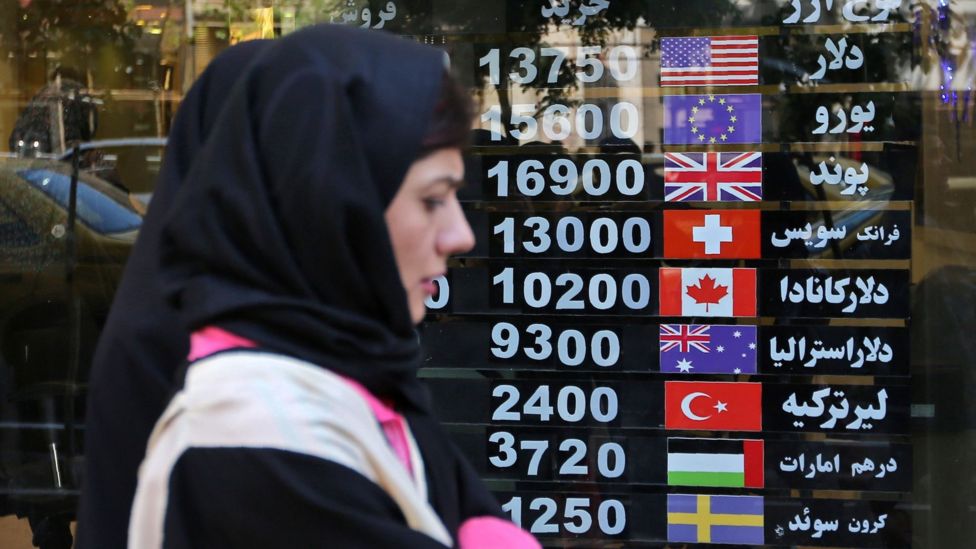
Iran’s financial difficulties forced it to accept undesirable oil contracts and compel it to borrow money at excessive interest rates. Following the announcement of the sanctions, the rial’s value plummeted. From its pre-sanction rate of 4,200 rials/dollar, the rial dropped by a 1/3 in 2 weeks to 7,500 rials/dollar. The sanctions resulted in a shortage of hard cash, compelling Iran to reduce its imports, resulting in increased domestic prices. The embargo also made it difficult for Iran to obtain foreign funds and made it impossible for it to repay its foreign debt on schedule. The economic losses for Iran are high, yet the impact on the American economy is small due to its size. Therefore, the sanctions were successful in putting financial constraints.

Jahangir Amuzegar(1997) says that the sanctions imposed by the US have failed to achieve the desired outcomes and also were unable to alter the Iranian regime. Its political influence has been negligible and the ruling government has not been met with any civil resentment. Hossein Askari et al. (2001) argue that Iran’s policies are still controversial, the sanctions could not change them, and that the US should lay down stringent economic sanctions. 

In Vienna, the eighth round of talks intended at reviving Iran’s historic 2015 nuclear deal is ongoing, with Iran still seeking assurances that US sanctions will be withdrawn.

The Joint Comprehensive Plan of Action (JCPOA) talks are happening between Iran and the foreign powers who have signed on to the agreement. The United States, which withdrew from the agreement unilaterally in 2018, is taking part in the talks in a roundabout way. Iran’s president has stated that his government is “ready to any arrangement” provided the United States and other world powers are willing to lift sanctions.

*“The views expressed in the article are author’s personal and are not endorsed by the Global Policy Consortium (GPC) or assumed by their members”
Review of: ‘Whole Numbers and Half-Truths: What Data Can and Cannot Tell Us About Modern India’

Image Courtesy: The Hindu  

AUTHOR: AKHILA KUMARAN

In the book Data Feminism by Catherine D’Ignazio and Lauren Klein, the authors elaborate on the myth of ‘neutrality of data’ and the need for the same stating “the plainer, the more neutral; the more neutral, the more objective; and the more objective, the more true— or so this line of reasoning goes.” (Kindle Location 1574-1575: 2020) D’Ignazio and Klein go on to state how this is deeply problematic and in fact, is largely untrue, as neutral data is a term that has been a by-product of racist, sexist and eugenic philosophy, and data is in fact, situated and context-specific.  While Whole Numbers and Half-Truths concentrates more on how data is analyzed rather than on data per se, the ten chapters styled as ten major questions about India help understand how(and how many) false narratives have been created based on the claim that “data is neutral”.  For example, beginning with the chapter on crime statistics titled ‘How India Tangles With Cops And Courts’ the author points out how crime statistics in India need a near-complete overhaul when the conventional wisdom is that low figures mean there is less crime when in reality, the low figures only mean low reporting of crime. Under such circumstances, it would be easy to presume that states like Kerala and Tamizh Nadu are worse off in terms of the number of crimes committed when compared to other states like Uttar Pradesh or Biharwhen in reality, what occurs is the conflating State’s ability to report numbers to the incidence of crimes.

Taking the argument further to the issue of health and particularly the pandemic, if one were to look at data devoid of the context (under which most reporting takes place) it would be easy to presume that few states were contributing to the majority of cases being reported. However, the larger number of cases is (again) indicative of better reporting. In the case of the covid, this point became debatable as, over the course of the pandemic,  with the work of the author ( among others) when the excess mortality figures among states reporting low Covid cases were found to be significantly higher than those in states reporting higher Covid cases.

The impact of such (mis) reporting is the very real consequences it has on the lives of the people. The perception that a particular place is dangerous based on only higher reported crime rates further discourages people from venturing there or it can lead to popular misconceptions such as the place and the inhabitants being labeled as ‘dangerous’ or even under circumstances enhance surveillance. The larger point being, in undertaking a reading of data, it is perhaps more necessary than ever before to keep in mind “..that statistics alone don’t tell us everything. They need context, an interpretation that’s free from ideological spin, and to be held up to the light.” (p. 7 Kindle Edition: 2021)

A recurring theme across several chapters – such as the one on what Indians eat or whom Indian love and marry and even how Indian vote, has been that of the effect of the harmful rhetoric on minority communities in India- particularly Muslims. The issue of population is another data story that needs to be analyzed without an ideological spin. This assumes significance in the wake of increasing anti-Muslim sentiment in the country with Muslims being blamed for a variety of reasons from increasing population to the rapid spread of the pandemic so much so that international organizations and civil society activists have alerted to the possibility of genocide in India.  With respect to population, by posing the question of ‘How is India Growing and Ageing?’ the author brings to light the ineffectiveness of the coercive state policies regarding population control (2 child norm, for example)that affect the poorer communities in the country negatively, and showcases how, despite harmful rhetoric, education and income provided the necessary agency for women – from all religious community and this, eventually, led to better regulation of population growth. The chapter also shows how the fertility transition has been much more rapid than anticipated with Census 2011 showing many states showing fertility levels below replacement level. However, even as myths are repelled, it is worthwhile to examine how certain proofs are offered and by whom i.e. the burden of proof falls squarely on the communities that are suffering and therefore, in what manner are we persuading those who propagate hate? Again, reverting to  Data Feminism and the principle of challenging power through data as well as bringing to light the issue of harm done through rhetoric, one can examine who needs to offer the proof of the statistic of falling fertility of Muslim women in order to convince that the Muslim population still remains minority compared to Hindus? The burden of proof, as well as the need for proof, are both inherently laced with bigotry. Perhaps, this aspect of data has been overlooked in the book.

Examining the rhetoric – whether based on bigotry (Muslims contribute to population explosion in India) or simply misguided ( ‘Younger Indians are more liberal’ )through data makes the book, in my opinion, a valuable contribution to scholarship on social justice. Another reason that makes the book such an enjoyable read has been that it never leaves the core argument being made without bringing in the real context and experiences of the people. For example, when confronted with the extremely disappointing statistic of inter-caste marriages, a young person remarks that the data is only on marriages and not on love, pointing out that perhaps there is hope to be kept on the numbers that we do not actually collect data on love or relationships.

Written in lucid prose and filled with anecdotes that serve as probable questions for further research, the book is a must-read for everyone concerned about India’s stories through data.

*“The views expressed in the article are author’s personal and are not endorsed by the Global Policy Consortium (GPC) or assumed by their members”
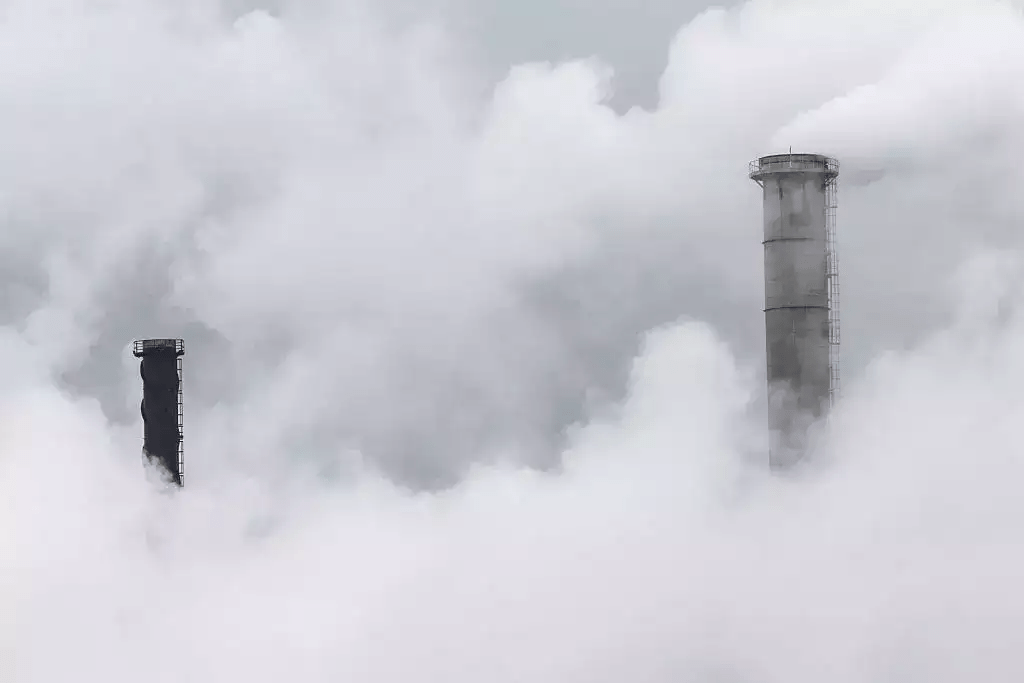
ANALYSING THE SIGNIFICANCE OF CLIMATE ADAPTATION: A CASE STUDY OF INDIA

Image Courtesy: Economic Times

AUTHOR: VISHVAK KANNAN

ANALYSING THE SIGNIFICANCE OF CLIMATE ADAPTATION: A CASE STUDY OF INDIA Global Policy Consortium Podcasts

This episode is on analysing the significance of climate adaptation with special reference to India
  1. ANALYSING THE SIGNIFICANCE OF CLIMATE ADAPTATION: A CASE STUDY OF INDIA
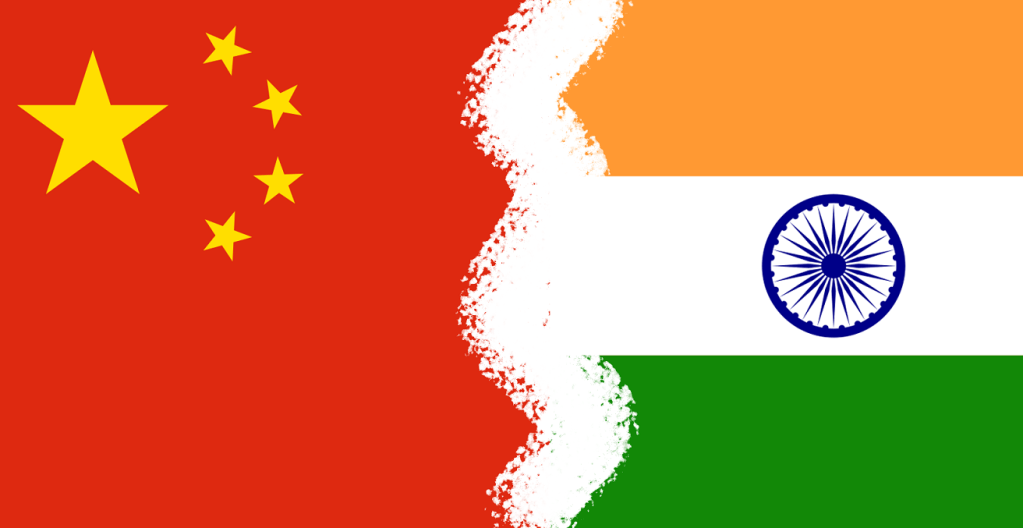
  2. INDIAN REALPOLITIK AGAINST POWER ASSYMETRY WITH CHINA
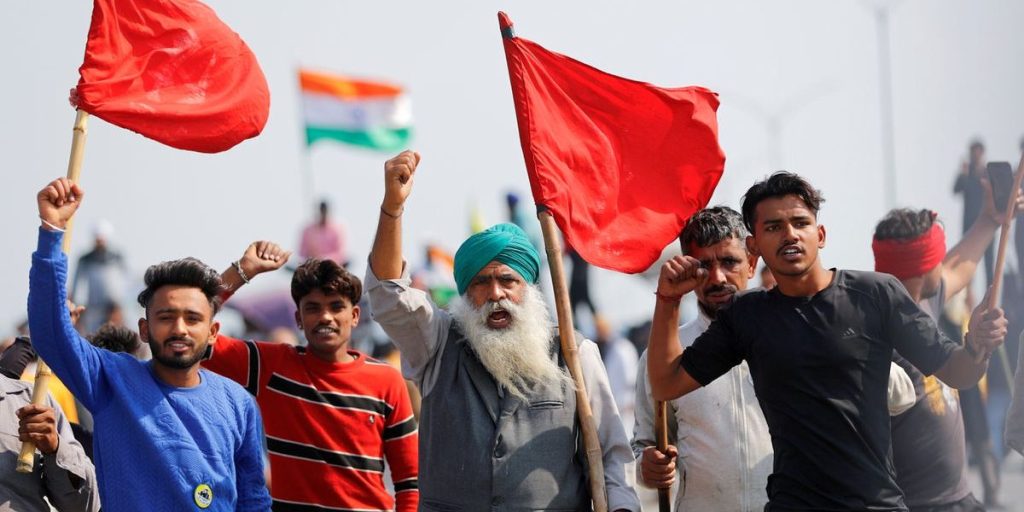
  3. FARMERS' PROTEST AND JAT POLITICS
  4. PEACE MUSEUMS: THE NEED FOR NARRATIVE CHANGE
  5. CRITICAL ANALYSIS OF THE WORKING OF IMF

Climate Finance: A Global Portrait

The United Nations Framework Convention on Climate Change (UNFCCC) defines climate finance as, “the local, national, or transnational financing that supports climate change mitigation and adaptation actions”. The need for climate finance stems from the issue of Common but Differentiated Responsibilities (CBDR) that seeks to address the fact that emissions by countries have historic inequities – developed countries have taken up a larger share of the global carbon budget than developing and least developed countries. Climate finance has been in the spotlight since 1997 when the Kyoto Protocol was ratified. In 2015, when the Paris Agreement was signed, developed countries supported a pledge to make available $100 billion every year from 2020 to 2025 that would be used by developing and least developed countries for climate actions – both mitigation and adaptation.

Parties to UNFCCC established the Green Climate Fund (GCF), Special Climate Change Fund, Least Developed Countries Fund, and the Adaptation Fund between 2001 and 2010, towards supporting low-carbon growth and climate resilience initiatives in developing least developed countries. In addition, climate finance is also routed through multilateral development banks such as the World Bank and Asian Development Bank (ADB). However, global climate finance has only trickled in slowly, calling to question various commitments and pledges made by developed country Parties. A large part of the finance, provided by both public and private funders, is used up in mitigation actions such as generating power from renewable sources and developing sustainable transport systems. Figure 1 shows estimates of global climate finance by the Climate Policy Initiative (CPI) and UNFCCC, and the sectors in which this money has been spent.

Figure 1: Global climate finance: Sources and Sinks

Climate Actions: India’s Trajectory

Climate Policy Initiative estimates annual climate finance requirements in India at an average of ₹11,10,000 crores. However, domestic and international finance stood at around ₹1,24,000 crores across sectors – a little over 10% of this requirement. The study reveals a severe paucity of resources essential for meaningful climate action. The CPI study also points to public sector financing of climate action at just 29% of the total ₹1,24,000 crores made available on average annually. The power generation sector received nearly 80% of this funding – in solar PV and onshore wind power projects.

A significant proportion of incoming climate finance (from the GCF, inter-governmental development programs, and philanthropic organizations) is spent on climate mitigation projects – for ramping up renewable energy capacity around the country. Important in the scope of such projects is the substitution of coal as a primary source of energy, with renewable sources such as solar and wind. India has also developed action plans at the National and State levels to realize these objectives. Considering voluntary commitments, or Nationally Determined Contributions (NDC) as defined under the Paris Agreement, India has increased renewable energy capacity from 76 GW in March 2014, to over 150 GW as of November 2021.

India has taken further steps in this direction, including the more recent push for green and blue hydrogen highlighted by the India-Denmark Joint Committee’s Green Strategic Partnership Action Plan 2020-2025. PSUs like BHEL and NTPC are also involved in the decarbonization drive – scoping domestic solar panel manufacturing, green hydrogen plants, and skill enhancement programs to train youth.

Climate Adaptation: Need of the Hour

While mitigation actions are critically important for a developing country for various reasons: sustainable development, promotion of future industry and not least exhibiting global climate leadership and responsibility, Indian domestic needs lie squarely in adapting to a changing climate and protecting her vulnerable populations.

Figure 2 highlights findings of a district-level study conducted by CEEW which shows that more than 80% of Indians live in districts that are vulnerable to debilitating effects of climate change, including floods, droughts, and cyclones. The study also brings out the low adaptive capacity of regional disaster management systems to cope with such consequences of climate change. Seen together with the issue of paucity of climate finance, it becomes essential to target the low-hanging fruit of adaptation and capacity development projects.

Figure 2: Climate vulnerability indices – district level study by CEEW

India has taken steps in this direction, with the allocation of budgetary funding for the National Adaptation Fund, National Afforestation Programme, and MGNREGS, among others. These funds are utilized to finance projects under the National Mission for Sustainable Agriculture, National Mission on Sustainable Habitat, National Mission on Strategic Knowledge for Climate Change, and various other greening projects. Although less charismatic compared to sparkling solar plants and imposing wind farms spanning acres of land, ostensibly diverted from agricultural uses, adaptation actions can improve the climate resilience of crores of vulnerable Indians. This will involve landscape and infrastructure planning considering climate exposure profiles and risk assessments of ecosystems in different parts of the country.

The Government of India can lay out national priorities insofar as climate change mitigation and adaptation actions are concerned. A lot of eyes in the climate policy space are on India, on the heels of various commitments made at COP26. Significant among those include:

  1. Indian Railways to achieve net zero emissions by 2030 through 100% electrification of operations. Railways to be operated through solar and wind power sourced from grid. This will also help in savings of ~ ₹17,000 crore and generate ~20.4 crore man-days in employment opportunities.
  2. 50% of Indian energy requirements to be met from renewable energy sources by 2030. Rapid increases in installed RE capacity signal a movement in this direction.
  3. Commitment to net zero year by 2070. This will involve a major overhaul of power generation and transport systems, not to mention offsetting of agricultural and allied sector emissions.

Adaptation actions would ensure that development programs over the last few decades that have successfully helped lift people out of poverty are not pushed back. The paradigm shift in the understanding of poverty to recognize its multidimensional aspect must also consider threats to lives and livelihoods for climate-vulnerable sections of the population. While sustainable development in the Indian context will involve meeting future energy demand from renewable sources, the welfare model of development should ensure that climate change does not lead to the disenfranchisement of people at the forefront of these disasters.

*“The views expressed in the article are author’s personal and is not endorsed by the Global Policy Consortium (GPC) or assumed by their members”

INDIAN REALPOLITIK AGAINST POWER ASYMMETRY WITH CHINA

AUTHOR: HIMA MISHRA

ANALYSING THE SIGNIFICANCE OF CLIMATE ADAPTATION: A CASE STUDY OF INDIA Global Policy Consortium Podcasts

This episode is on analysing the significance of climate adaptation with special reference to India
  1. ANALYSING THE SIGNIFICANCE OF CLIMATE ADAPTATION: A CASE STUDY OF INDIA
  2. INDIAN REALPOLITIK AGAINST POWER ASSYMETRY WITH CHINA
  3. FARMERS' PROTEST AND JAT POLITICS
  4. PEACE MUSEUMS: THE NEED FOR NARRATIVE CHANGE
  5. CRITICAL ANALYSIS OF THE WORKING OF IMF

Indian realpolitik has often been understated by scholarship, and Indian strategic culture has been classified as anything between non-existent to idealist. However, India possesses a lineage of realpolitik thinking as a part of her strategic culture ingrained in the mindset of modern-day policymakers. From when it was feasible and necessary to remain non-aligned to escape the great power politics of the world and secure her internal political structure, to now, when a belligerent country asserts itself continually at her borders, Indian realpolitik has evolved. This article takes up a scholarly inquiry into whether India’s strategic culture is equipped to handle the challenges of changing world order.

India is rising, but in China’s shadow, writes Rajagopalan. Scholars all over the world are waking up to China’s transformed role in the Asian region. On one hand, Beijing actively promotes good relations with New Delhi, and on the other, violates India’s territorial sovereignty through border incursions along the Himalayan region; simultaneously building ties with India’s neighbors in South Asia, including Pakistan. Such a two-pronged approach taken by China, combined with an asymmetry in the two countries’ economic and military capabilities, has caused a geopolitical imbalance in Asia. Owing to the asymmetry of capabilities, India needs a pragmatic approach towards China, the first step to which appears to be a deepening of ties with the United States, bilaterally, on international multilateral platforms, and in various spheres of foreign policy (Rajagopalan, 2017). One major strategic concept involved in this decision is realpolitik. Realpolitik, or political considerations based on practicalities rather than ideological decisions, has been imagined and reimagined in Indian strategic thought throughout history.

For a long, India has harbored a soft corner for China and Chinese civilization as it is an ancient civilization rich in culture, just like India. Historically, Indian and Chinese kingdoms have maintained friendly ties and encouraged cultural exchanges. Both the countries have been integral to the functioning of the Silk Road. This was the perspective that dominated India’s initial approach to China, according to Pandit Nehru’s strategic thought. Nehru, believing India and China to be close allies, defaulted in understanding that the Chinese Communist Party neither represented the great civilization nor respected the ancient ties between the two countries. China under Mao was defensive, under Deng it grew accepting of the outside world through economic reforms, and under the leadership of Hu Jintao and Jiang Zemin, China’s peaceful rise doctrine threw off any suspicions that the world might bear towards their intentions, writes the former Foreign Secretary of India, Vijay Gokhale, in The Long Game: How China Negotiates with India. However, in the current times, China plays a strong hand under Xi Jinping, who, Parthasarathy (2021) opines, is “determined to dwarf” the role and policies of all of China’s able leaders that preceded him.

India’s strategic culture often plays into the evil versus righteous narrative, and the notion of enmity finds its place in some of our key historical and strategic texts. India’s perception of China viz. her relations with the country has seen highs and lows. Drawing from Chanakya’s geographic assumption proposed in the Mandala TheoryChina is India’s immediate neighbor in today’s day and age, and adding that to the recent events, can be considered as a “natural enemy” to build this strategic understanding.

According to Glenn (2018), different historical and cultural settings, and foreign policy challenges influence strategic culture, and with a shift in China’s position viz. India, perhaps a peek into India’s strategic realism is overdue. Arthashastra, written in Antiquity and considered as a major political and strategic doctrine by scholars across the world, lays the foundation for Indian strategic culture and the science of politics, writes Chaliand(1998) in Arthashastra: Traité politique et Militaire de l’Indeancienne. In the Arthashastra, Book VII Chapter I, Chanakya writes that if a king thinks, “that I am strong neither to harass my enemy’s works nor enough to defend my own against my enemy’s attack,” the king must seek help from a superior king to prevent deterioration, move towards stagnancy, and pass on to prioritizing progress for the country. Further, in Book VII Chapter II, Chanakya writes, “A king who is situated between two powerful kings shall seek protection from the stronger of the two; or from one of them on whom he can rely, (or may choose to make peace with both of them)” (Shamasastry, 1915). Here, the “king” is a symbolic representation of the State that acts within its national interests. With China, India sees a similar challenge, and the only “superior king” in today’s world order with the military and economic capabilities to challenge China in the US. 

Therefore, New Delhi has adopted a mixed strategy for the China challenge with realpolitik at its heart. India’s “head, heart, and hand” approach includes accommodation, competition, and deterrence. For example, India and China are cooperating on the BRICS platform, including the Asian Infrastructure Investment Bank’s (AIIB) Sustainable Energy for Asia Strategy and Covid-19 infrastructure building. China’s increased role in regional development and the economies of the Global South push India towards accommodating her national interests with the country. At the regional level, India is pursuing competition with China by objecting to the China Pakistan Economic Corridor (CPEC) and China’s influence in South Asia and Africa through India’s generous Vaccine Maitri program. Finally, with bilateral issues such as border incursions, India is pursuing complete deterrence.

A risk to consider is that China perceives India as a secondary threat rather than a primary competitor, one that only becomes problematic for the Chinese State when it comes to locking horns with both US and India. Tracking the shift in the balance of power in Asia, India realistically cannot hope to avoid conflict with China. Instead, she must minimize conflict while addressing the power asymmetry. Therefore, India’s move towards building cooperation with the US and its close allies – Japan, and Australia – through the Quadrilateral Security Dialogue (Quad) is a careful strategic move showcasing Indian realpolitik, fundamental to Indian strategic culture. 

*“The views expressed in the article are author’s personal and is not endorsed by the Global Policy Consortium (GPC) or assumed by their members”

FARMERS’ PROTEST AND JAT POLITICS

AUTHORS: DWAIPAYAN SINHA AND PRATYUSHA RAYCHAUDHURI, (M.A.students of Jadavpur University, Department of International Relations)

The recently concluded farmers’ agitation on the borders of Delhi and elsewhere against the three controversial farm-laws; the Farmer’s Produce Trade and Commerce (Promotion and Facilitation) Act, the Farmer’s (Empowerment and Protection) Agreement on Price Assurance and Farm Services Act, and the Essential Commodities Amendment Act,2020- continued for more than a year and weathered many challenges. On 19th November 2021, Indian Prime Minister Narendra Modi said that his government would repeal the three laws in the winter session in December. On 29th November 2021, both Houses of the Indian Parliament passed the Farm Laws Repeal Bill, 2021, which resulted in the conclusion of the protest.

Nature of Farmers’ Protest Before and After Republic Day

One of the most notable characteristics of the farmers’ protest was that the movement was initially led by several farmers’ unions with no single dominant leader calling the shots. However, that nature slowly changed after the violent events of Republic Day with Rakesh Tikait, formerly only a spokesperson of the Bharatiya Kisan Union (BKU), coming into the limelight. 

In the early stages of the movement, more than 40 farmers’ unions decided to put aside their differences and form a coalition to launch a protest movement against the three farm laws. Thus, the Samyukt Kisan Morcha(SKM) came into existence in November 2020. The farmers had been organizing sporadic protests across the northern states of Punjab and Haryana since September 2020. However, the national media and the central government only took notice of the protests when the farmers decided to organize under the banner of SKM and attempted to enter Delhi to start their indefinite sit-in protest. On 26th January 2021, the protesters and the police clashed in several violent incidents which led to injuries on both sides. This gave the state an excuse to move in riot control forces to vacate the protest sites. Various media reports stated that the crowd of protestors was dwindling. Just when it seemed that the government had gained the upper hand on the protestors, the images of a tearful Rakesh Tikait, claiming a government conspiracy against the farmers, were splashed across television channels. 

This incident seemed to instill a new life to the movement as thousands of Jats gathered in support and decided to march to Ghazipur to show solidarity with Rakesh Tikait. 

Rakesh Tikait, who was considered to be a black sheep by many among the protesting farmers due to his past flirtations with the Bharatiya Janata Party (BJP) and had failed in his experiments in electoral politics, emerged as the face of the previously faceless movement. In the early phases of the movement, leaders belonging to several political outfits were not allowed to occupy the stage as the farmers’ unions wanted to keep the movement devoid of any political color. The increasingly growing support to Tikait from the Jat community of western Uttar Pradesh drew various prominent politicians like Sanjay Raut, Jayant Chaudhary, and Sukhbir Singh Badal, as the epicenter of the protests shifted to the Ghazipur border. 

The Jats are primarily an agricultural caste group that is present in most of the northern states of India. Their main occupation is farming and the community has produced many tall agricultural leaders like former Prime Minister Chaudhary Charan Singh, Devi Lal, Bansi Lal, and Mahinder Singh Tikait.

Jat Politics and Uttar Pradesh

The farmer’s agitation soon shifted to the hinterlands from Delhi. Political analysts believe that the farmers’ movement will have a significant impact in the upcoming Uttar Pradesh (U.P.) Assembly election in 2022. The Jat votes are crucial in deciding the fate of candidates in numerous Assembly seats and 17 Lok Sabha seats. The BJP’s phenomenal performance in the western part of the state in the Lok Sabha elections of 2014 and 2019 and the Assembly election of 2017 can be attributed to the support of the Jats, where this community wields a lot of influence. Previously, the Rashtriya Lok Dal(RLD) led by the now-deceased Ajit Singh, son of the legendary farm leader Chaudhary Charan Singh, and Jayant Chaudhary were considered to be the party of the Jats. The party’s core vote bank, formed by the Jats and the Muslims, catapulted several local leaders to national status. 

The Muzzaffarnagar riots of 2013 between the Jats and the Muslims changed the landscape of western U.P. politics as the Jat community felt betrayed by RLD leaders. The BJP swooped in and successfully appropriated the Jat identity under the larger Hindutva umbrella. Ajit Singh and Jayant Chaudhary saw a fall in electoral fortunes for two consecutive Lok Sabha elections. Sanjeev Balyan of the BJP emerged as a dominant leader among the Jats. RLD along with the other opposition parties, namely the Samajwadi Party (SP), Bahujan Samaj Party (BSP), and the Congress now see a ray of hope to electorally capitalize on the stir.

The numerous Kisan Mahapanchayats held by various farm leaders, including Rakesh Tikait, witnessed massive turnouts which made the BJP anxious. It forced the party brass to hold a closed-door meeting with prominent local Jat leaders. Several top BJP leaders attempted to clear the “misconceptions” about the three laws and tried to convince the farmers to come to the negotiation table. The Jat farmers are engaged in cultivating crops like wheat, paddy, and maize which are covered under the Minimum Support Price (MSP) regime. The support from the Jat community to the farmers’ agitation stems from the demand to provide a legal guarantee to MSP as recommended by the Swaminathan Commission. The Jats are reportedly angry with U.P. Chief Minister Yogi Adityanath as they feel he is favoring people from his own Thakur caste at the expense of the other castes.

Jat Politics and Rajasthan

In Rajasthan, the Jat community has the largest presence among farmers as about 90% of the Jats are engaged in the cultivation of wheat, cotton, mustard, jowar (sorghum), barley, etc. Most of these items are covered under the MSP system and are sold in mandis (a large marketplace). This forced the state’s Jat farmers to rise against the new farm laws which sought to destabilize the mandi system. The community is spread across the state and has a significant presence in 45-50 Assembly seats. The Rashtriya Loktrantik Party (RLP) led by Hanuman Beniwal exited the BJP-led central government owing to pressure from its Jat voter base. The party is a very weak force in the state dominated by the Congress-BJP duopoly and hopes to consolidate the Jat votes for electoral success. The state Congress leadership did not leave any opportunity to reach out to the disgruntled Jat farmers.

Jat Politics and Haryana

The Jats have always been a very prominent force in the state as most of the Chief Ministers have belonged to this community. The majority of the farmers in the state belong to the Jat community and they have a strong presence in 47 Assembly seats. The BJP tried to reduce the political dominance of the Jats by promoting a non-Jat Punjabi Manohar Lal Khattar as Chief Minister. This policy backfired as the BJP could win only 40 Assembly seats in the 2019 Assembly election and had to stitch up a post-poll alliance with Jannayak Janata Party (JJP) to remain in power. 

The Jat community strategically voted for Congress in the Rohtak-Sonepat-Jhajjar belt. The JJP benefitted from their votes in northern districts like Hisar and Jind. JJP led by Dushyant Chautala had earlier broken away from Indian National Lok Dal(INLD) led by Dushyant’s uncle Abhay Chautala and took away the majority of the Jat votes that INLD commanded. Abhay Chautala resigned as the MLA from Ellenabad and claimed that his party is the real party of the Jats while JJP was sold out to the BJP. This put the JJP in a fix as they sought to retain the Jat votes while being in power. The party’s top leaders were forced to relay the grievances of the Jats to the BJP high command.

Many of the leaders belonging to BJP and JJP faced severe resistance from the Jats when they tried to enter their constituencies. The farmer’s movement has revived memories of the 2016 Jat agitation over OBC status and has further alienated the community from BJP. The high-handed approach to the protests by the state government has been criticized by various sections.

Jat Politics and Punjab

The state of Punjab saw some of the most intense protest programs. The farming community consists of both Jat Sikhs and Jat Hindus. They led the protest together from the front and withstood the Centre’s repeated attempts to create a wedge between these two groups by labeling the Sikhs as “Khalistani terrorists”. The state, which goes to the polls in a few days, saw all the major players like Congress, the Aam Aadmi Party (AAP), and the Shiromani Akali Dal(SAD) pledge their support to the farmers. SAD was forced to quit the alliance with BJP as their core Jat farmer vote bank started to agitate against the farm laws. The Punjab government, which was then headed by Congress leader Captain Amarinder Singh, put its weight behind the farmers. The Punjab Assembly had unanimously passed a resolution seeking unconditional withdrawal of the three farm laws, thus becoming the first state to formally reject the contentious laws. 22 farmer groups have joined hands to create a new political outfit called Sanyukt Samaj Morcha and contest the Punjab election in 2022.

Conclusion

The election results of Punjab and Uttar Pradesh would be a significant indicator of the extent of the damage the farmers’ protest did to the ruling BJP. Most political observers are unsure of how the rollback of the three farm laws would impact the polls. Will the Jat community re-emerge as a dominant caste in Indian politics? That remains to be seen.

*“The views expressed in the article are author’s personal and is not endorsed by the Global Policy Consortium (GPC) or assumed by their members”
PEACE MUSEUMS: THE NEED FOR NARRATIVE CHANGE

Image Source: Visit London

AUTHOR: GANDHALI BHIDE, Contributing Writer at GPC

The term international peace conjures up certain preconceived ideas that broadly follow a notion of change. It strives to provide a humane alternative to conflicts, wars, and violence. In this essay I attempt in navigating the concept of ‘narrative change’, taking war museums as a model. According to ICOM Statutes, adopted by the 22nd General Assembly, museums are defined as a non-profit, permanent organization in the service of the society and its development, open to the public, which acquires, conserves, researches, communicates, and exhibits the tangible and intangible heritage of humanity and its environment for education, study and enjoyment. Simply put, museums are representations. A fundamental feature of such representation is a narrative. Narratives are not truths; they nudge you to understand the truth in a particular way. They are socially constructed, never neutral, but strategic. Even if war museums feature exhibitions and presentations on destruction, loss, and bloodshed which was the result of war, it silently maintains an undertone of a zero-sum game, i.e., a narrative of winners and losers. But is there a winner in a war? 

A NEED FOR NARRATIVE CHANGE

I argue that a change in names, and the way of understanding history, especially war, through peace museums instead of war museums will usher a small, even one that seems insignificant change, towards international peace. This can be done from a more bottom-up approach where local/regional and even national museums can campaign towards re-introducing war museums as peace museums, becoming mediums of understanding, and commenting on the futility of war rather than winners of the war. History is closely linked with memory, as professor Aleida Assmann states, “Memory complements history, history corrects memory”. Simply put by changing the way we understand historical events of war can have an influence on our memories. 

I particularly remember my second visit to London’s Imperial War Museum, in December 2019, a week before Christmas. A special exhibition was hosted for children, called Christmas during the war. Through different stalls like ‘Christmas food during the war’, ration system, listening to the radio, the museum volunteers and staff showcased those bygone periods of war. Parents and grandparents encouraged their children to be part of it. The gift shop had a special counter dedicated to ‘Christmas during the war’. The horrified realities were mellowed down to interest the next generations, to know what the war was like on the home front. The atmosphere was joyous, contrary to the emotions one associates with the term ‘war’. The kids gathered around different stalls surrounded by war aircraft like Supermarine Spitfire (British fighter aircraft during World War II), V1 Flying bomb and V2 rocket (German long-range weapons), Nery Gun (British 13-pounder gun and limber), T-34 Tank (Soviet tank design, built-in 1954) among others. It was this experience that made me reflect on the ways in which mine, as well as the future generation, are going to understand history.

Museums today are not only places for preserving history and art but are increasingly becoming tourist attractions, transforming them from local or national into the international arena. They come under what is termed as culture and heritage tourism. While it is important to know one’s history, including war, the medium of understanding can ensure that it is not repeated. Today, war museums keep reminding if not glorify the war that was won. I believe changing narratives from war to peace museums from a bottom-up approach can have another implication. The effects of such change in narrative can be quantitively measured locally and can have a greater probability of being effective. In addition, this can become a global phenomenon by bringing a narrative change locally that re-introduces war as peace museums with a new way of understanding war history. 

CONCLUSION

Coming from a developing economy such as India, I am aware of one major bifurcation in approaching conflicts/war that can be understood from a broader Asian vs. European/western perspective. Asians due to their philosophy and community culture, strongly emphasize conflict avoidance rather than conflict resolution which has a more western connotation attached to it. Each local and national museum can present its culture and society-specific ways of avoiding war in these exhibitions. Let there are be a healthy competition between the different ways of avoiding war. Avoiding war does not always mean peace but I think it is the first step towards peace. For example, the concept of national borders when viewed from an Asian perspective seems crucial for peace. For Asian countries, respecting each other’s nation-state borders is a symbol of respecting each other’s sovereignty and territorial integrity, and is seen as a path to cooperation. Therefore, borders are the norm for peace in the Asian context. On the other hand, due to European Union, borders have virtually vanished in Europe and borderless Europe implies cooperation and a way towards peace. Thus, bringing in different narratives on the peace that are culturally and geographically dictated can be one of the exhibitions in these peace museums where the audience understands the other.

Peace museums, therefore, accompany an alternative model for war museums that rest on the premise of the need for narrative change in understanding the happenings of the past including war. 

*“The views expressed in the article are author’s personal and is not endorsed by the Global Policy Consortium (GPC) or assumed by their members”
CRITICAL ANALYSIS OF THE WORKING OF IMF

AUTHOR: KHUSHI AGARWAL, Contributing Writer at GPC

Avoiding economic and financial crises, huge fluctuations in economic activity, high inflation, and excessive volatility in foreign exchange and financial markets are all ways to promote economic stability. Instability can exacerbate uncertainty, deter investment, stifle economic progress, and wreak havoc on living standards. A dynamic market economy is characterized by a certain amount of volatility as well as steady structural change. Policymakers face a difficult task in minimizing volatility both at home and abroad without jeopardizing the economy’s ability to enhance living standards through increased productivity, employment, and long-term growth. 

The IMF has been able to ameliorate the economic conditions of several countries in need. However, in some circumstances, an IMF program may transmit a negative signal about the size and nature of a country’s economic difficulties. In this case, the catalytic effect on other capital flows, especially private ones, may be adverse. This effect could then mean that, because of reduced capital inflows, IMF programs have a negative rather than a positive effect on economic growth.

THE CURRENT SITUATION

Pakistan is currently experiencing significant economic crises and may seek a $1 billion loan from the IMF, even though recent talks between Pakistan and the IMF in October were inconclusive. Last year, Pakistan received a $6 billion loan from the IMF, and the COVID 19 outbreak appears to have spurred them to seek further cash from the IMF. However, to obtain a loan from the IMF, Pakistan had to increase its already high tax rate, which, according to Dr. Arthur Laffer, harmed the country’s fragile economy even more. He has advocated for reduced tax rates, claiming that taxes are harmful to the economy and growth and that increasing taxes harms the country’s prosperity. Does the incident raise questions about the workings of the IMF since if the goal is to enhance countries’ economies, then why are there conditions attached to loans from the IMF? During India’s economic crises in 1991, similar economic constraints were imposed on the country, forcing it to implement Liberalization, Privatization, and Globalization (LPG) reforms. Although these LPG changes were mostly favorable to the Indian economy, each government retains the authority to select which reforms to pursue and when.

ANALYSING THE WORKING OF IMF

With 190 members, the IMF is one of the most influential international economic organizations. It was founded in 1994, shortly after World War II, and has 190 members. The IMF is funded by quota contributions, in which each of its members is assigned a quota based on the strength of its economy, and a member country’s quota even determines its voting rights. Larger economies have more voting rights, which is why a superpower like the US can control the IMF. Additionally, the chief of the IMF has traditionally been from Europe. The IMF’s fundamental goal is to regulate global exchange rates so that international transactions can be managed fairly. However, the fixed exchange rate system failed in 1973, and the IMF’s mission changed dramatically.

For instance, Ecuador signed a $4.2 billion loan agreement with the IMF in 2019, and the IMF, as usual, required some economic measures. These IMF criteria, according to IMF Chief, Christine Lagarde, are a “comprehensive reform agenda” aimed at modernizing the economy and driving it toward strong, sustained, and equitable growth. In practice, however, it resulted in a recession and a rise in poverty. One of the criteria was to reduce Ecuador’s budget by 6% of GDP, which necessitated raising taxes and severely cutting government spending. As a result, tens of thousands of federal employees have lost their jobs. These circumstances had an influence on the local population, and the country entered a mild recession; foreign investment dried up as a result. 

Currently, the IMF is meddling in the debt management of member countries by granting them short-term loans. The IMF may help countries resolve their financial crises, but in reality, the IMF intervenes in economic decisions throughout Asia, Latin America, and Africa. It’s not that the IMF’s position has always been negative; for example, it was successful in managing the Asian Financial Crisis, but it’s been less discussed how the IMF’s interventionist strategy has affected some countries.

CONCLUSION

In his book ‘Globalization and Its Discontent,’ Nobel Laureate Joseph Stiglitz claims that the IMF is largely responsible for the failure of development of some poor countries. He claims that when the IMF lends, it does so on the condition of changes such as reduced government spending, privatization, higher interest rates, and open capital markets, thus exporting the Western model of capitalism. This approach of the IMF is also comparable to the practice of ‘neo-colonialism’ where the wealthy countries use the IMF to control and influence the economy of poorer countries. In offering loans, IMF policy does not require privatization or liberalization as a result of a novel motive, but rather the IMF is used by powerful countries to negotiate their private corporations. Rich, powerful countries typically view poor countries as ‘markets’ and ‘sources of raw materials.

These problems highlight the need for fundamental IMF reforms, in which the IMF should not only respect other countries’ sovereignty but also make the voting system more representative so that certain countries do not use their clout for personal advantage. As a global economic forum, the IMF should gain countries’ trust by altering its conditions and reducing rigorous measures that result in higher debt.

*“The views expressed in the article are author’s personal and is not endorsed by the Global Policy Consortium (GPC) or assumed by their members”

WORLD COMMUNITY AND ITS RESPONSE TO AFGHANISTAN’S HUMANITARIAN CRISIS

AUTHOR: TRIDIVESH SINGH MAINI, Senior Contributing Writer at GPC

Mohammed bin Abdulrahman Al-Thani, Qatar’s foreign minister while speaking at ‘Rome MED 2021 — Mediterranean Dialogues’ flagged the severity of the humanitarian crisis in Afghanistan, and the need for the world community to help. He also said that no clarity has emerged concerning the Taliban Regime:

‘I think the situation in Afghanistan needs everybody’s help and needs the cooperation of the international community to work together collectively to help’.

The words by Qatar’s Foreign Minister came just days after French President Emmanuel Macron said during a visit to the Middle East that France and other European countries were going to establish a joint mission in Afghanistan. Macron was clear that this did not imply diplomatic recognition of the Taliban regime, and he also stated that other concerns needed to be sorted first, including the security of diplomats, before the EU could proceed.

INITIATIVES TAKEN BY THE GLOBAL COMMUNITY AND INTERNATIONAL ORGANIZATIONS TO ASSIST AFGHANISTAN

In recent months, the global community has taken note of the humanitarian crisis in Afghanistan. According to estimates, 23 million people – which amount to well over half of Afghanistan’s population – are facing extreme levels of hunger, with 9 million steering at a famine. The humanitarian crisis is only likely to get worse as the winter approaches.

At a meeting organized by the UN in September 2021, the global community committed over 1 billion USD in assistance (G7 countries along with China committed 30 million USD in the form of assistance in September 2021 (China has also resumed a direct trade link in October 2021 with Afghanistan and).In a G20 meeting in Afghanistan, the EU committed an amount of 1 billion euros to assist the country in dealing with its socio-economic challenges.

In an important development, Indian humanitarian assistance (consisting of 50,000 tonnes of wheat and drugs) has been allowed by Pakistan to transit through its territory.

In September 2021, the US treasury also issued licenses to ensure that humanitarian aid from multilateral organizations and US Charities face no problems. Recently a Taliban delegation led by Foreign Minister in the interim Taliban dispensation, Amir Khan Muttaqi met with U.S. Special Representative for Afghanistan Thomas West and discussed a wide range of issues.

The US State Department Spokesperson reiterated the US commitment to providing humanitarian assistance and underscored the point that the US Treasury had issued general licenses to facilitate the uninterrupted flow of humanitarian assistance to the people of Afghanistan.

Afghanistan is demanding the release of over 9 Billion USD of assets from the Afghan central bank (largely held in the US Federal Reserve) which were frozen by the US. The Afghan delegation during the meeting while assuring the US of rights of minorities and women and security of aid workers asked for unfreezing of assets. A statement issued by the Taliban Spokesperson said after the meeting,

‘…urge immediate unconditional unfreezing of Afghan reserves, ending of sanctions & blacklists, & disconnecting humanitarian issues from political considerations’.

China and Iran have been repeatedly supporting the demand for the release of assets. Chinese Foreign Ministry spokesperson, Lijian in a media briefing last month said that assets should be released immediately since they were worsening the humanitarian disaster and common Afghans were suffering. He also dubbed the freezing of assets as a tool of coercion.

CONCLUSION

Following the Taliban takeover, the IMF and World Bank suspended aid as well as over $300 million in reserves held by the IMF. The World Bank is attempting to give 500 million USD to humanitarian groups from a frozen fund, which may come as a relief to Afghanistan.

The interim Taliban government has made it clear that it wants commercial relations and connectivity with all countries, and while it has lauded China for its assistance and emphasized the importance of China’s role in the country’s economic development, it does not want to be reliant on any one country. While expressing its concerns, the international community must be pragmatic and flexible, prioritizing humanitarian issues and the welfare of the Afghan people.

To summarise, while it is critical for the Taliban to keep its promises to the international community regarding the safety of minorities and women, as well as providing representation to all communities, the international community must also take a more proactive role in assisting Afghanistan in dealing with its humanitarian crisis.

Countries, particularly the US and China, must look beyond their rivalries and avoid viewing things through a zero-sum lens. Multilateral organizations must step forward, and while words from the World Bank and the European Union are positive, more must be done. Along with the US, China, and Afghanistan’s neighbors, as well as the EU is likely to play a key role in Afghanistan’s reconstruction, particularly if a joint mission is established. While there will be plenty of opportunities for geopolitical squabbling in Afghanistan, the focus should be on humanitarian challenges for the time being.

*“The views expressed in the article are author’s personal and is not endorsed by the Global Policy Consortium (GPC) or assumed by their members”